September 1st has always been important to me.
Not in the normal “new month, new goals” kind of way. I have always treated September 1st like it was an event.
If you know me, you probably know where this comes from.
I used to be a huge Harry Potter fan, and September 1st was obviously the day. In the books, this was the day the kids packed their trunks, said goodbye to their parents, and boarded the Hogwarts Express from Platform 9¾. So naturally, every September 1st felt a little magical.
At one point, I even wrote about September 1st through the lens of Heathers, because the opening of “Beautiful” starts with Veronica saying, “Dear Diary, September 1st,” and apparently that was enough for my brain to decide that September 1st needed its own little annual ceremony.
So for years, September 1st has been one of those dates that just means something to me.
It used to be the beginning of a new school year, but now kids go to school in August. It’s the unofficial beginning of fall in my brain. It’s Hogwarts Express day. It’s Heathers day. It’s the point where summer starts feeling like it’s officially on its way out and the rest of the year suddenly feels very real.
And usually, September 1st means I get to sit down and write some sort of dramatic little reflection about the month ahead.
Except this year, I have a slightly bigger problem.
It’s a new month, a new day, and somehow we are officially in the month where this baby could decide to show up at literally any point.
And honestly, I really thought that by the time September got here, I would be completely done talking about pregnancy.
I thought between June and September I would have discussed everything baby-related. I figured three months would be plenty of time to get it all out of my system. The pregnancy, the fears, the excitement, the things I didn’t expect, the things that stressed me out, the things that made me laugh, the things I was looking forward to, and all of the random thoughts that have been taking up space in my brain.
I thought by September I would have nothing left to say.
Apparently, I was very wrong.
Because somehow it is September 1st and I still have things I haven’t talked about.
So I guess this is officially the countdown now. Unfortunately for me, it’s a very literal countdown because baby girl could come any day. I don’t know if I have a few weeks left or if she could decide tomorrow is the day, which makes planning anything slightly difficult.
I do want to address some of the things I haven’t talked about yet, and hopefully I can get some of them out before baby girl gets here. But for now, I’m trying to keep things loose.
I don’t want to make some elaborate content calendar where I have to write about a specific topic on a specific day when I don’t even know what the next few weeks are going to look like.
At this point, I have approximately 4 things planned:
- Get to California.
- Get settled enough to function.
- Have a baby.
- Don’t die in labor.
That’s it. That’s the plan.
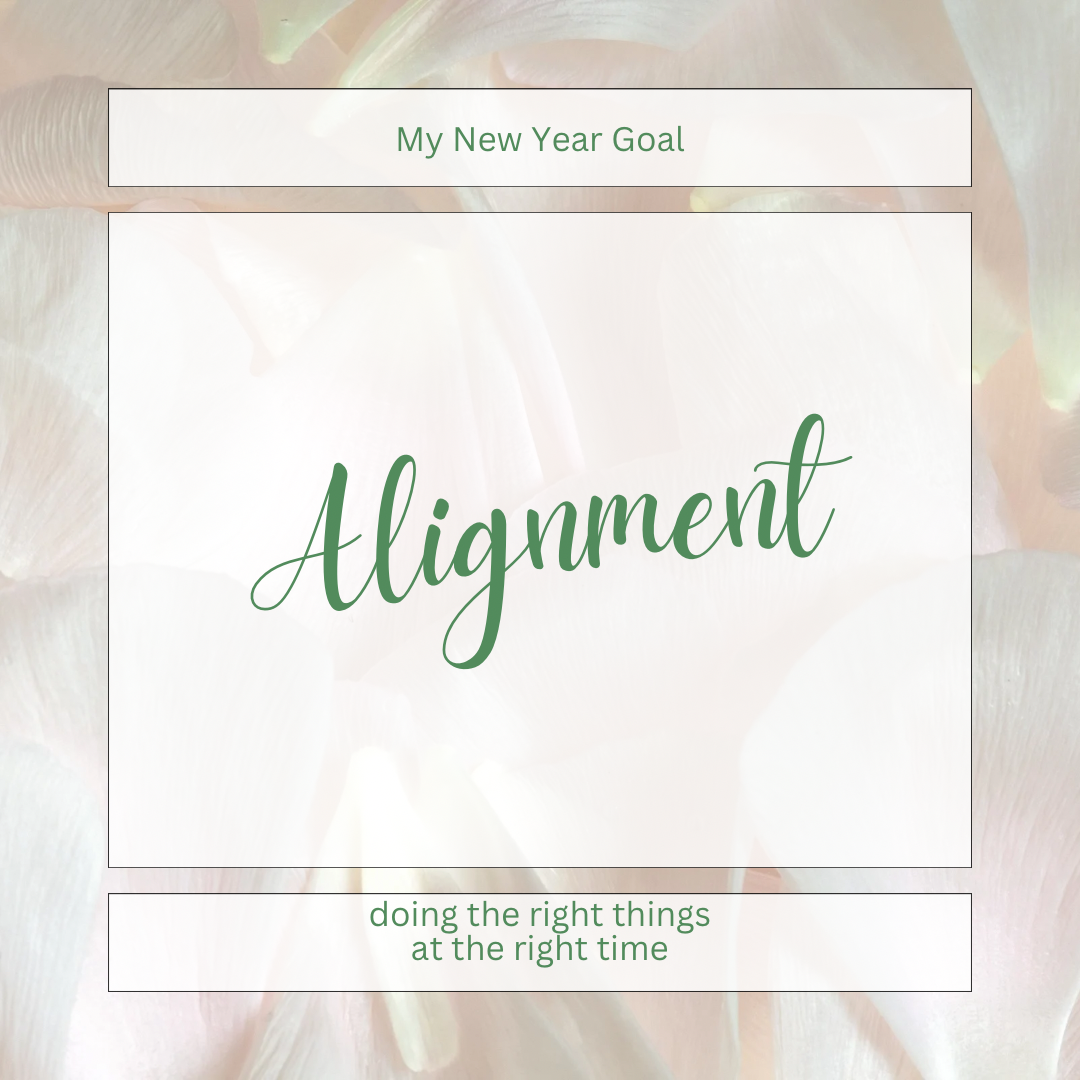
And honestly, the closer we get to the end of this year, the more I keep thinking about my word of the year: alignment.
Because do I even understand what alignment means for me anymore?
At the beginning of the year, I thought I did. I had an idea of where I wanted my life to go and what I thought getting into alignment with that life would look like.
And then this year happened.
Plans changed. Timelines changed. Things I thought would happen didn’t happen, and things I stopped planning for happened anyway.
So now I’m sitting here in September, pregnant, still figuring out where I’m going to be, waiting for a baby who could completely change the timeline again, and wondering if I actually understand the word I chose for this year.
Maybe alignment doesn’t mean everything goes according to plan.
Maybe it’s learning how to move forward when the plan changes.
Maybe it’s accepting that sometimes you can do everything you thought you were supposed to do and still end up somewhere completely different.
Or maybe I will finally figure out what I meant by alignment sometime between now and December.
For now, I’m just welcoming September, trying to enjoy whatever time I have left before baby girl gets here, and giving myself permission to keep things loose.
I still have things to say.
I just don’t know how much time I have left to say them before this baby decides she’s ready to make her entrance.